
Learn the key differences between tuckpointing and brick replacements.

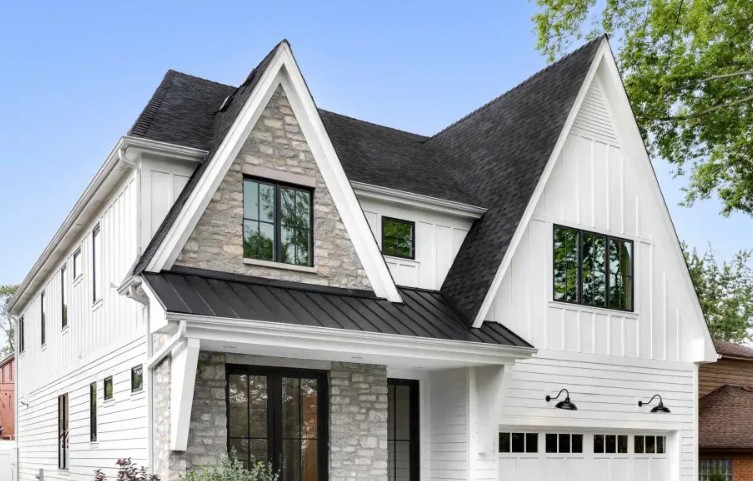
Standing in your driveway and staring at the deteriorating mortar joints on your home's brick exterior or crumbling chimney, you face a critical decision that will affect both your budget and your home's structural integrity for decades to come. Should you invest in tuckpointing to restore those failing mortar joints, or has the damage progressed to the point where individual bricks need replacement? For Twin Cities homeowners, understanding the difference between these two masonry repair approaches isn't just about making the right financial choice—it's about ensuring your home receives the appropriate level of repair to withstand Minnesota's demanding climate.
The confusion surrounding tuckpointing versus brick replacement often leads homeowners to either over-invest in repairs that weren't necessary or under-invest in repairs that don't adequately address the underlying damage. Professional masonry contractors encounter this confusion regularly, which is why understanding what each repair method accomplishes, when each is appropriate, and how to make informed decisions about your specific situation matters tremendously.
Tuckpointing represents the most common and essential maintenance procedure for brick masonry structures. The term refers to the process of removing deteriorated or damaged mortar from the joints between bricks and replacing it with fresh mortar that's properly formulated to match the existing masonry's characteristics. Despite its importance, tuckpointing remains widely misunderstood by homeowners who may confuse it with simple caulking or assume all mortar replacement involves the same techniques.
The mortar joints between bricks serve multiple critical functions that go far beyond holding bricks together. These joints create a weather barrier that prevents water infiltration into the wall cavity, allow for minor structural movement without cracking the harder brick units, provide pathways for moisture vapor to escape from within the wall assembly, and contribute to the overall strength and stability of the masonry structure. When mortar joints deteriorate, all of these functions become compromised, setting the stage for accelerated damage throughout the entire brick structure.
Mortar deteriorates through several natural processes that affect all Minnesota brick masonry over time. Freeze-thaw cycles represent the primary culprit in our climate, with moisture infiltration and subsequent freezing creating internal pressures that crack and crumble mortar. Natural weathering from wind-driven rain, temperature fluctuations, and UV exposure gradually erodes mortar surfaces. Chemical processes involving dissolved salts moving through the masonry can cause mortar deterioration from within. Original construction using inappropriate mortar formulations—particularly mortar that's too hard relative to the brick—accelerates joint failure.
Professional tuckpointing begins with careful removal of deteriorated mortar to a specified depth, typically three-quarters of an inch to one inch, using specialized grinders and hand tools that don't damage the brick faces. The cleaned joints are then thoroughly moistened to prevent the dry masonry from pulling moisture out of the fresh mortar too quickly. Properly formulated mortar—matching the original mortar's strength, composition, and color—is then packed firmly into the joints and tooled to create the appropriate joint profile. The repaired masonry requires proper curing, typically involving keeping the mortar moist for several days to develop optimal strength.
When performed correctly by experienced masonry contractors, tuckpointing restores the masonry's weather resistance, structural integrity, and appearance while preserving the original bricks that give historic and established homes their character. The craftsmanship that lasts for generations depends on expertise in mortar formulation, proper joint preparation, correct installation techniques, and understanding how Minnesota's climate affects curing and long-term performance.
Determining whether tuckpointing adequately addresses your masonry problems requires understanding the specific conditions where mortar replacement alone provides sufficient repair. Several clear indicators suggest tuckpointing represents the appropriate repair approach for your situation.
Mortar joint deterioration without significant brick damage presents the classic scenario for tuckpointing. When you observe mortar that's cracked, crumbling, or recessed significantly behind the brick faces, but the bricks themselves remain intact, sound, and firmly positioned, tuckpointing typically provides complete restoration. The key assessment involves determining whether the bricks have maintained their structural integrity and whether the mortar removal process won't compromise brick stability.
Early-stage deterioration responds particularly well to tuckpointing. Hairline cracks in mortar joints, slight mortar erosion creating shallow recesses, isolated areas of crumbling mortar, and mortar that's lost its surface texture but remains structurally present all indicate deterioration that hasn't progressed to structural compromise. Addressing deterioration at this stage through tuckpointing prevents the exponential damage progression that eventually necessitates more extensive and expensive repairs.
Historic homes with original brick often benefit tremendously from tuckpointing because it preserves the irreplaceable character of the original masonry. Bricks manufactured decades or centuries ago often possess unique colors, textures, and dimensions that can't be perfectly matched with modern replacements. When the mortar has deteriorated but the historic bricks remain sound, tuckpointing allows you to restore structural integrity and weather resistance while maintaining the home's authentic appearance and historical value.
Chimney structures frequently require tuckpointing as preventive or corrective maintenance. The exposed position of chimneys subjects them to intense weather exposure, making mortar deterioration particularly common. For chimneys where the brick masonry remains structurally sound despite mortar deterioration, professional chimney repair through tuckpointing restores weather protection and prevents the compounding destruction that leads to more serious structural problems.
Budget considerations sometimes favor tuckpointing when damage assessment reveals that comprehensive tuckpointing can adequately address deterioration without brick replacement. Tuckpointing typically costs significantly less than partial or complete brick replacement, making it an attractive option when it provides sufficient repair. However, choosing tuckpointing purely for cost savings when the damage actually requires brick replacement represents false economy—the repairs won't last, and you'll ultimately spend more addressing recurring problems and progressive damage.
Brick replacement becomes necessary when individual brick units have sustained damage that compromises their structural integrity or when brick deterioration has progressed beyond what tuckpointing alone can address. Understanding when brick replacement is appropriate versus when it represents unnecessary expense requires recognizing the specific types of brick damage that warrant replacement.
Spalling brick—where the face of the brick flakes, chips, or separates in layers—specifically indicates damage that requires brick replacement. This deterioration occurs when moisture trapped within the brick freezes and expands, causing the outer layers to break away from the brick body. Once spalling begins, the damaged brick becomes increasingly vulnerable to moisture infiltration and continued freeze-thaw damage. Tuckpointing around spalled bricks may temporarily slow deterioration, but the damaged brick itself will continue failing, ultimately requiring replacement anyway.
Cracked or broken bricks present obvious candidates for replacement. Whether caused by impact damage, structural movement, or extreme freeze-thaw cycles, cracks that penetrate completely through the brick compromise its structural contribution to the wall and create pathways for water infiltration. Brick repair to a cracked, loose, or leaning chimney is unsafe and dangerous, making replacement of damaged units essential for structural stability and safety.
Severely eroded bricks that have lost significant portions of their face or edges may require replacement even if they haven't technically cracked or spalled. This erosion typically results from soft brick that wasn't properly fired during manufacturing, making it vulnerable to rapid deterioration in harsh climates. Minnesota's abrasive seasons will rip apart compromised brick with the contractions of ice and erosion of material through the water, making replacement necessary before the erosion compromises the surrounding masonry.
Structural movement sometimes causes brick displacement where units have shifted out of their original plane, creating bulges or offsets in the wall face. This displacement might result from foundation settlement, lintel failure, or inadequate structural support. Addressing the underlying structural issue is essential, but the displaced bricks themselves typically require removal and reinstallation or replacement to restore the wall's proper alignment and load distribution.
For historic homes, even sound bricks sometimes require replacement when previous repairs used inappropriate materials or techniques. Bricks that were damaged during crude prior repair attempts, units surrounded by excessively hard mortar that caused edge spalling, or bricks affected by improper cleaning techniques may need replacement to prevent continued deterioration and restore the masonry's integrity.
Understanding what brick replacement actually entails helps homeowners appreciate why this repair costs more than tuckpointing and why professional expertise matters tremendously for successful outcomes. Brick replacement represents skilled craftsmanship that, when performed properly, creates repairs that become invisible and last for generations.
The process begins with careful assessment to identify all bricks requiring replacement and to determine the full extent of any structural issues contributing to brick failure. Professional masons examine not just obviously damaged bricks but also surrounding areas for hidden deterioration that might not be immediately visible. This comprehensive assessment ensures the repair addresses all problems, preventing the need for additional repairs soon after the initial work is completed.
Removing damaged bricks without compromising surrounding masonry requires specialized tools and considerable skill. Masons must carefully grind out the mortar around the damaged brick, then extract the brick itself using techniques that avoid damaging adjacent bricks. For bricks that have already cracked or failed structurally, removal might be relatively straightforward, but for bricks that remain somewhat intact, the removal process demands patience and precision to prevent collateral damage.
Sourcing replacement bricks that appropriately match the existing masonry presents challenges ranging from simple to nearly impossible depending on the age and origin of the original bricks. Modern standard bricks often match contemporary construction reasonably well, but historic bricks with unique dimensions, colors, or textures may require specialty suppliers, architectural salvage yards, or custom manufacturing to achieve acceptable matches. Professional exterior stone and brick contractors maintain relationships with suppliers and possess the experience to locate hard-to-find bricks or identify acceptable alternatives.
Installing replacement bricks demands attention to numerous details that affect both immediate appearance and long-term performance. The replacement brick must be properly wetted before installation to prevent it from absorbing excessive moisture from the fresh mortar. The mortar bed must provide complete contact with the replacement brick to ensure proper bonding and load transfer. The mortar joints around the replacement must match the existing joint profiles and tooling. The installed brick must sit at the correct depth relative to surrounding bricks, matching the wall plane precisely.
Curing and finishing complete the brick replacement process. Fresh mortar requires several days of proper moisture conditions to develop its full strength and weather resistance. Excess mortar smears must be cleaned from brick faces without damaging the fresh joints. Any color differences between new and existing mortar typically weather naturally over several months, becoming imperceptible as the new mortar ages.
Budget considerations naturally influence decisions about masonry repair approaches, making it essential to understand the typical cost ranges for tuckpointing versus brick replacement and what factors drive these costs. While specific project costs vary based on scope, access difficulty, and regional labor rates, understanding the general cost relationships helps set realistic expectations.
Tuckpointing costs typically range from $8 to $25 per square foot of wall area depending on project size, joint condition, access difficulty, and regional market conditions. A typical chimney tuckpointing project might cost $1,500 to $4,000, while tuckpointing an entire home's exterior could range from $7,000 to $30,000 or more depending on home size. These costs reflect the labor-intensive nature of proper tuckpointing—removing old mortar, preparing joints, mixing and applying new mortar, and achieving professional results requires significant time and skill.
Brick replacement adds substantial costs beyond tuckpointing because of the additional labor involved in removing and replacing bricks, the cost of replacement bricks themselves, and the increased complexity of achieving quality results. Individual brick replacement typically costs $20 to $40 per brick including labor and materials. For projects requiring replacement of numerous bricks, costs might range from $40 to $100 per square foot depending on the extent of replacement needed. A chimney requiring partial rebuilding might cost $3,000 to $8,000 or more, while extensive brick replacement on a home's exterior could easily reach $15,000 to $50,000 depending on the scope of work.
Several factors significantly influence costs for both repair approaches. Accessibility affects labor time and equipment requirements—chimneys and upper-story walls require scaffolding or lift equipment that adds considerable expense. Matching requirements for historic or unusual bricks can dramatically increase material costs if specialty products must be sourced or custom fabricated. Structural repairs beyond simple brick and mortar work, such as lintel replacement or foundation repairs, add costs but may be essential for addressing the root causes of masonry failure. Project timing affects costs as well, with contractors sometimes offering reduced rates during slower winter months for projects that can be performed in acceptable weather conditions.
Understanding cost-per-square-foot or cost-per-brick figures provides general guidance, but obtaining detailed written estimates from qualified masonry contractors remains essential for accurate project budgeting. Reputable contractors provide itemized estimates that explain what work is included, what materials will be used, and what the expected timeline involves. These detailed estimates allow you to compare proposals accurately and understand exactly what you're purchasing.
While the immediate costs of tuckpointing or brick replacement might seem substantial, evaluating these repairs as long-term investments rather than mere expenses provides important perspective on their actual value. Properly executed masonry repairs deliver returns through multiple channels that extend far beyond the obvious aesthetic improvements.
Preventing exponential damage progression represents the most significant financial return from timely repairs. Addressing mortar deterioration through tuckpointing today prevents the compounding destruction of the infrastructure that leads to brick damage, structural compromise, and eventually the need for partial or complete rebuilding. The cost difference between $3,000 of preventive tuckpointing and $15,000 of delayed structural repair demonstrates why timely maintenance dramatically reduces lifetime ownership costs.
Energy efficiency improvements result from proper masonry maintenance and repair. Deteriorated mortar joints allow air infiltration that increases heating and cooling costs, with the drafts around compromised masonry sometimes accounting for measurable increases in utility bills. Restored mortar joints eliminate these air leaks, tightening your building envelope and reducing energy waste. For chimney structures specifically, proper maintenance ensures the chimney functions as designed rather than allowing conditioned air to escape continuously through deteriorated flue systems.
Property value protection represents another substantial but often overlooked benefit of proper masonry maintenance. Well-maintained brick exteriors and chimneys signal to prospective buyers that the home has been properly cared for, while visible masonry deterioration raises red flags about deferred maintenance and potential hidden problems. Real estate appraisers and home inspectors specifically note masonry condition, and deteriorated brick and mortar typically results in reduced appraised values or repair contingencies during sale negotiations.
Structural integrity preservation extends the service life of the entire building rather than just the masonry itself. When brick masonry is broken or cracked, the moisture from our abrasive Minnesota seasons will rip it apart with the contractions of ice and erosion of material through the water—but that same moisture infiltration also reaches wooden framing members, insulation, and interior finishes, causing damage that extends far beyond the masonry itself. Proper masonry maintenance protects the entire building envelope from moisture infiltration and the cascading problems that result.
Safety considerations carry value that transcends financial calculations. For chimneys specifically, compromised masonry presents serious hazards including carbon monoxide infiltration, fire risks, and structural collapse dangers. Addressing these hazards through proper repairs protects your family from potentially catastrophic consequences that no dollar amount can adequately compensate.
While budget considerations legitimately influence repair decisions, several additional factors should inform your choice between tuckpointing and brick replacement. Understanding these considerations helps ensure your repair investment delivers the outcomes you need rather than merely accepting the lowest-cost option.
The expected service life of repairs varies significantly between adequate repairs and marginal approaches. Proper tuckpointing using appropriate mortar formulations and correct techniques typically lasts 25 to 50 years in Minnesota's climate, providing decades of protection before the next repointing becomes necessary. However, tuckpointing performed when brick replacement is actually needed might fail within just a few years as the damaged bricks continue deteriorating. Conversely, quality brick replacement using appropriate replacement units and proper installation techniques essentially restores the masonry to new condition, providing service life comparable to the original construction.
Aesthetic outcomes matter for most homeowners, particularly for highly visible areas like front facades and prominent chimneys. Skillful tuckpointing becomes virtually invisible once the new mortar weathers to match surrounding areas, while brick replacement can achieve excellent visual results when appropriate replacement bricks are sourced and expert installation ensures proper alignment and joint treatment. However, poorly executed repairs of either type result in obvious patches that detract from your home's appearance and curb appeal.
Historic preservation considerations sometimes favor one approach over another regardless of cost differences. For historically significant homes or those in historic districts, preserving original brick takes priority whenever feasible, making tuckpointing strongly preferred when it provides adequate repair. However, when brick damage genuinely requires replacement, using historically appropriate replacement bricks and period-accurate mortar formulations ensures repairs respect the home's historic character.
Warranty and guarantee terms vary among contractors and should influence your decision about whom to hire more than which repair approach to choose. Reputable contractors stand behind their work with substantial warranties that cover both materials and labor, demonstrating confidence in their workmanship and commitment to customer satisfaction. Fredrickson Masonry's reputation for quality workmanship that earns recommendations reflects an understanding that excellent work includes standing behind results.
Selecting qualified masonry contractors and understanding what professional service should include helps ensure your repair investment delivers the results you need. The difference between skilled craftsmanship and inadequate work becomes apparent in both immediate outcomes and long-term performance, making contractor selection one of your most important decisions.
The initial consultation and assessment should demonstrate thoroughness and expertise. Professional masons examine the full extent of masonry deterioration, not just the obvious problem areas you've identified. They explain what damage they observe, what's causing that damage, and what repair approach they recommend based on the specific conditions present. This consultation should feel educational, with the contractor helping you understand your masonry's condition and repair options rather than simply pushing the most expensive solution.
Detailed written estimates provide essential information for informed decision-making. Quality estimates specify exactly what work is included, what materials will be used, what the project timeline involves, how access and site protection will be handled, and what guarantees or warranties apply. These estimates should be clear enough that you could show them to another contractor and receive comparable proposals for the same scope of work.
Project execution demonstrates professionalism through multiple observable characteristics. Quality contractors protect your property with appropriate coverings and barriers, maintain clean and organized work areas, communicate regularly about progress and any issues that arise, and demonstrate attention to detail in their actual workmanship. For tuckpointing, this means neat joint profiles, proper mortar consistency, and thorough cleaning. For brick replacement, it means bricks that sit flush with surrounding masonry, joints that match existing profiles, and repairs that blend seamlessly with original work.
The completion process should include thorough cleanup, a final walkthrough where the contractor explains what was done and what maintenance you should perform going forward, and clear documentation of warranty terms. Professional contractors take pride in leaving your property cleaner than they found it and ensuring you're completely satisfied with both the work performed and your understanding of what was accomplished.
If you're facing deteriorating mortar joints or damaged brick on your Twin Cities home, understanding the difference between tuckpointing and brick replacement empowers you to make informed decisions about appropriate repairs. The question isn't whether to invest in masonry maintenance—the question is whether to invest wisely now or pay exponentially more for extensive repairs later.
Start by scheduling professional assessments with experienced masonry contractors who specialize in Minnesota's climate challenges. Obtain at least two or three detailed written estimates that specify recommended repair approaches and explain why those approaches are appropriate for your specific situation. Don't automatically choose the lowest bid—instead, evaluate contractors based on their demonstrated expertise, the thoroughness of their assessment, the clarity of their explanations, and their reputation for quality work.
Ask specific questions about mortar formulation, how they determine which bricks require replacement versus which can remain, what their typical project timeline involves, and what warranty they provide on completed work. Professional contractors welcome these questions because they demonstrate that you're a informed customer who values quality work.
For homeowners in Bloomington, Edina, Prior Lake, Richfield, St. Paul, and throughout the Twin Cities metro area, choosing contractors with proven experience in Minnesota masonry challenges ensures your repairs withstand our demanding climate. Fredrickson Masonry & Chimney Repair brings over 15 years of experience helping Twin Cities homeowners make informed decisions about masonry repairs, providing the expertise needed to distinguish between when tuckpointing provides adequate restoration and when brick replacement becomes necessary.
Your home deserves repairs performed right the first time, using appropriate techniques and materials that provide decades of protection. Whether your situation calls for comprehensive tuckpointing or selective brick replacement, contact Fredrickson Masonry today to schedule your professional assessment. Excellence in craftsmanship, communication, and service since 2010 means you're choosing a partner who understands the difference between adequate repairs and exceptional results—and who delivers the quality workmanship your home deserves.


